

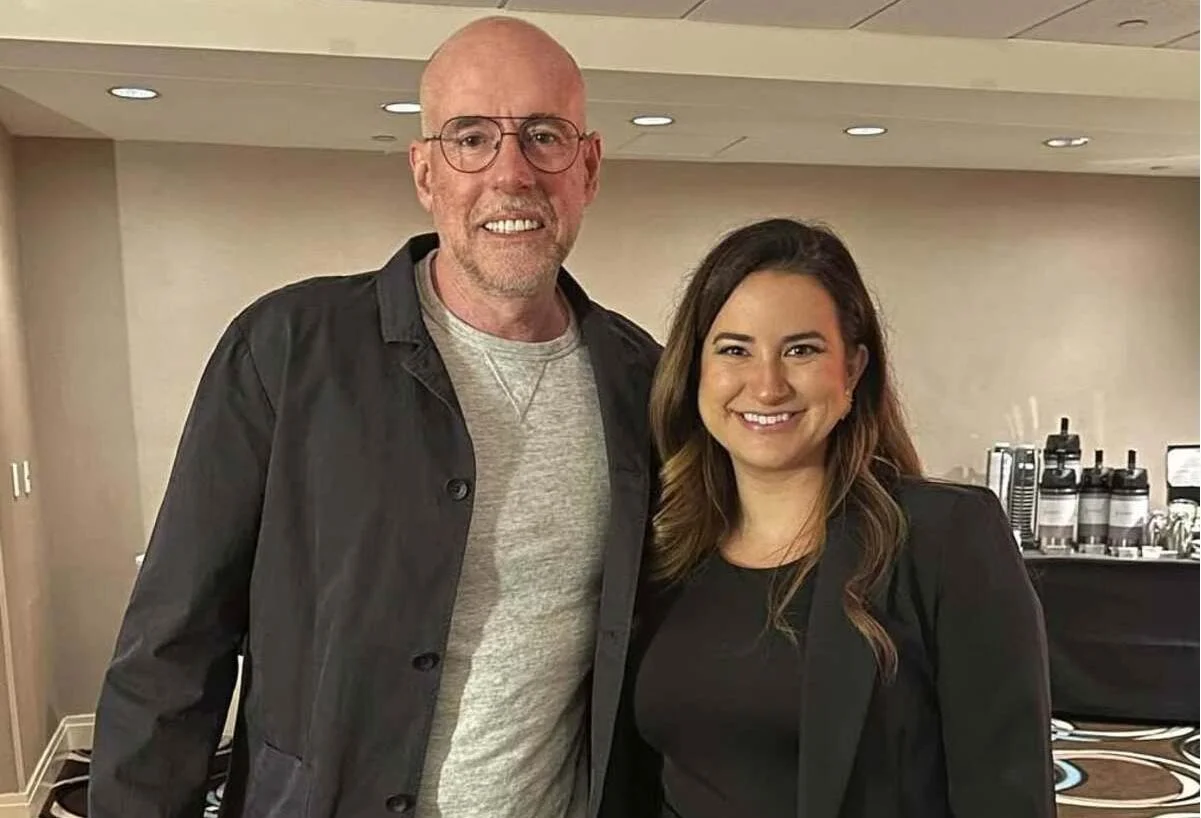
If you’ve come across the name Beata Galloway, chances are you’re trying to figure out who she is, why she’s being talked about, or what makes her relevant. Unlike widely documented public figures, this is one of those names that doesn’t come with a clear, polished narrative — and that’s exactly why people keep searching for it.
In this article, I’ll break down what we actually know, how to approach topics like this responsibly, and how to make sense of limited or unclear information online.
Who Is Beata Galloway?
Let’s start with the honest answer: there is no widely verified, well-documented public profile of Beata Galloway in mainstream sources.
That doesn’t mean the name is meaningless — far from it. It usually points to one of three possibilities:
- A private individual who has gained some attention in a specific context (legal, local news, or social media)
- A misattributed or misspelled name
- Someone connected to a larger story, where the main subject gets more coverage than associated individuals
This is where many articles go wrong — they either invent details or overgeneralize. Instead, it’s more useful to understand how to evaluate what you’re seeing.
Why Is “Beata Galloway” Being Searched?
When a relatively unknown name trends, it’s usually tied to a trigger event. Based on typical search patterns, here are the most common reasons:
1. Connection to a Viral Story
Sometimes a person becomes searchable because they’re linked to a broader situation — legal cases, public disputes, or viral discussions.
2. Social Media Mentions
Even a few viral posts can drive thousands of searches, especially if the name is unusual.
3. Confusion With Another Person
Names get mixed up more often than people realize. A single spelling variation can lead to entirely different individuals.
The Real Challenge: Sorting Fact From Noise
This is where things get tricky — and where most readers need guidance.
When you search for Beata Galloway, you may notice:
- Inconsistent details across different websites
- Lack of reliable sources
- Repetitive or copied content
That’s a strong signal that verified information is limited.
Practical Insight
When dealing with a topic like this, ask yourself:
- Is the source credible or just republishing rumors?
- Are multiple independent sources confirming the same details?
- Is the information specific, or vague and recycled?
If the answers aren’t clear, it’s best to treat the information cautiously.
Common Mistakes People Make When Researching Names Like This
This is an area where a lot of readers unintentionally fall into traps.
Mistake #1: Assuming Search Results Equal Truth
Just because something appears in search results doesn’t mean it’s accurate. Many low-quality sites are optimized to rank, not to inform.
Mistake #2: Trusting Unverified Social Media Claims
Screenshots and posts can spread fast, but they’re often incomplete or misleading.
Mistake #3: Mixing Up Identities
It’s surprisingly easy to confuse people with similar names, especially without clear context like location or profession.
What You Can Do Instead (A Smarter Approach)
If you’re genuinely trying to learn about Beata Galloway, here’s a more reliable way to proceed:
1. Look for Primary Sources
If the name is tied to an event, try to find original reporting rather than summaries.
2. Check Context, Not Just the Name
Names alone are not enough. Look for:
- Location
- Date
- Associated individuals
These details help confirm identity.
3. Be Comfortable With Uncertainty
This is important. Not every search has a clean answer — and that’s okay.
Pros and Cons of Searching Lesser-Known Individuals
This might sound unusual, but there are actually upsides and downsides to researching names like this.
Pros
- You can uncover niche or emerging stories
- It helps develop critical thinking about sources
- You learn how information spreads online
Cons
- High risk of misinformation
- Lack of reliable context
- Easy to draw incorrect conclusions
Why Some Names Never Have Clear Information
There’s a deeper reason behind this — and it’s worth understanding.
Not everyone online is a public figure, and not every situation is meant for broad public consumption. Sometimes:
- The person is private by choice
- The story is too small or local to be widely documented
- Information is intentionally limited for legal or ethical reasons
This isn’t a flaw in the system — it’s actually part of maintaining boundaries between public and private life.
Final Thoughts on Beata Galloway
If you were hoping for a detailed biography or a clear public profile of Beata Galloway, the reality is more nuanced: reliable, widely verified information is limited or unclear.
And that’s not a dead end — it’s a reminder.
The internet is full of names, but not every name comes with a trustworthy story attached. The real skill isn’t just finding information — it’s knowing when to question it, when to dig deeper, and when to accept that the full picture isn’t available.
If you keep that mindset, you’ll avoid misinformation and make better sense of topics like this — not just this one, but many others you’ll come across.