
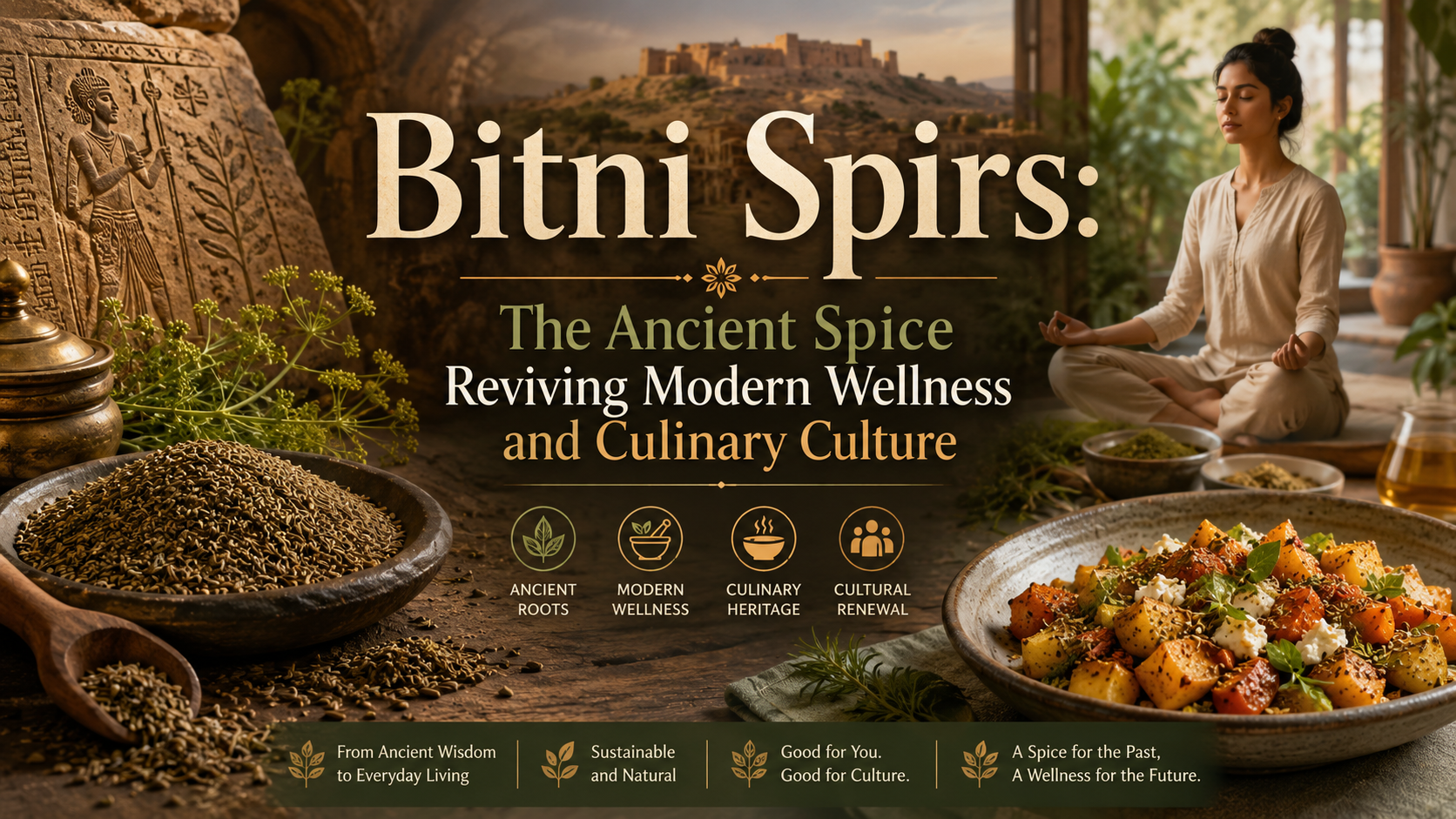
There is something deeply compelling about spices that have survived centuries of trade routes, cultural exchange, and culinary evolution. Bitni spirs, a term rooted in traditional spice culture, represents exactly this kind of enduring legacy — a blend of aromatic depth, medicinal reputation, and sensory richness that modern food enthusiasts and wellness seekers are rediscovering with renewed enthusiasm.
Whether you stumbled upon the phrase through an heirloom recipe, a wellness blog, or a conversation with someone deeply invested in traditional cooking, bitni spirs carries a story worth exploring. This article dives into its origins, cultural significance, practical applications, and why it continues to earn a place in contemporary kitchens and health conversations worldwide.
The Roots and Cultural Significance of Bitni Spirs
To understand bitni spirs properly, you need to appreciate the broader world of traditional spice blending — a practice that dates back thousands of years across Central Asia, Eastern Europe, and the Mediterranean. Many spice traditions developed not merely for flavor but as expressions of cultural identity, medicinal knowledge, and communal bonding.
Bitni spirs falls within this tradition. The name itself reflects a regional approach to combining spices in ways that produce layered, complex flavors — often described as warm, slightly bitter, earthy, and aromatic all at once. In many communities where such spice blends have been passed down through generations, the act of preparing or using bitni spirs is considered almost ceremonial.
What makes this tradition particularly fascinating is its adaptability. Unlike single-note spices that serve one purpose, bitni spirs — in its various regional interpretations — has been used in savory dishes, medicinal preparations, preserving techniques, and even aromatic rituals. This versatility is precisely why it has never fully disappeared, even as globalized food culture introduced competing trends.
Flavor Profile and Sensory Characteristics
If you were to encounter bitni spirs for the first time, the experience would likely begin with your nose before your taste buds. The aroma is typically described as deep and resinous, with earthy undertones that hint at both warmth and slight sharpness.
On the palate, the experience mirrors this complexity. There is often a pleasant bitterness — not harsh, but grounding — followed by a warmth that builds gradually rather than hitting you immediately. This profile makes it an excellent companion to slow-cooked meats, root vegetables, legume-based stews, and even certain artisan breads where complexity of flavor is desired over simplicity.
Interestingly, the specific character of bitni spirs can vary depending on its regional source. Some preparations lean more herbal, while others emphasize woody or smoky notes. This natural variation is part of what keeps food historians, chefs, and home cooks equally intrigued.
Health Benefits and Wellness Applications
Beyond its culinary appeal, bitni spirs has long been associated with wellness benefits in traditional medicine systems. While modern science is still catching up to many centuries-old claims, several of the compounds commonly found in spice blends of this nature have been studied for their positive biological effects.
Anti-Inflammatory and Digestive Properties
Many traditional spice blends share a common thread: they contain compounds with natural anti-inflammatory properties. Bitni spirs is no exception. Its constituent herbs and aromatic elements are believed to support digestive function, ease bloating, and promote healthy gut activity. In traditional use, small preparations involving such spices were often consumed after heavy meals — a practice that aligns well with what we now understand about digestive enzymes and gut microbiome health.
Antioxidant Richness
Spices are among the most antioxidant-dense foods on the planet, and bitni spirs draws on this natural richness. Regular inclusion of antioxidant-rich spices in your diet contributes to reducing oxidative stress, supporting immune function, and promoting long-term cellular health. This is one reason wellness communities have shown growing interest in reviving traditional spice practices rather than relying solely on modern supplements.
Mental Clarity and Aromatherapy Uses
There is also a dimension to bitni spirs that extends beyond eating. Its aromatic properties have historically been used in spaces where focus and calm were desired. The olfactory impact of warming, grounding spice aromas on mood and cognitive performance is a legitimate area of modern research — and traditional cultures seemed to understand this intuitively long before any formal study was conducted.
Culinary Uses: Bringing Bitni Spirs into Your Kitchen
One of the most exciting aspects of bitni spirs is how naturally it integrates into both traditional recipes and contemporary cooking. You do not need to completely reinvent your cooking style to work with this spice tradition — a few thoughtful incorporations can meaningfully elevate familiar dishes.
In meat-based preparations, bitni spirs adds depth to marinades and slow braises. Think lamb stew, braised short ribs, or even a rich roasted chicken where complexity of spicing makes the difference between an average and a memorable meal.
For plant-based cooks, this spice profile works beautifully with lentils, chickpeas, roasted eggplant, and hearty grain salads. The earthy-warm notes complement the natural flavor of legumes in a way that many single spices simply cannot achieve.
Even dessert applications are not off the table. In certain traditional recipes, warming spice blends related to bitni spirs have appeared in sweetened preparations — spiced pastries, aromatic teas, and honey-infused confections that balance sweetness with complexity.
Why Bitni Spirs Deserves a Place in Modern Culture
We live in an era where there is growing appreciation for things that are authentic, rooted in tradition, and sustainable. The renewed interest in heritage spice blends like bitni spirs is not coincidental — it reflects a broader cultural shift toward mindful consumption, culinary exploration, and reconnecting with practices that predate mass-produced convenience food.
Chefs at award-winning restaurants are revisiting regional spice traditions. Home cooks are exploring heirloom recipes passed down through families. Wellness communities are looking to ancient botanical knowledge to complement modern health practices. In all of these spaces, bitni spirs finds a natural and well-deserved home.
The spice also carries with it an implicit invitation — to slow down, to cook with intention, and to appreciate that flavor and health are not opposites but deeply intertwined aspects of nourishing a life well-lived.
Embracing the Bitni Spirs Tradition
Bitni spirs is more than a spice — it is a living connection to centuries of human ingenuity around flavor, health, and culture. Whether you are a seasoned chef, a curious home cook, or someone simply looking to enrich their wellness routine with time-tested botanical wisdom, this tradition has something meaningful to offer.
Start small. Explore its flavor in a single dish. Research its regional roots. And allow yourself to be part of a long, unbroken chain of people who understood that what we put into our food and our bodies is worth caring deeply about.
The spice traditions of our ancestors were not accidental — they were accumulated wisdom. Bitni spirs invites you to taste that wisdom for yourself.