

You’ve probably seen strings like this before and moved on. Looks technical, maybe even random.
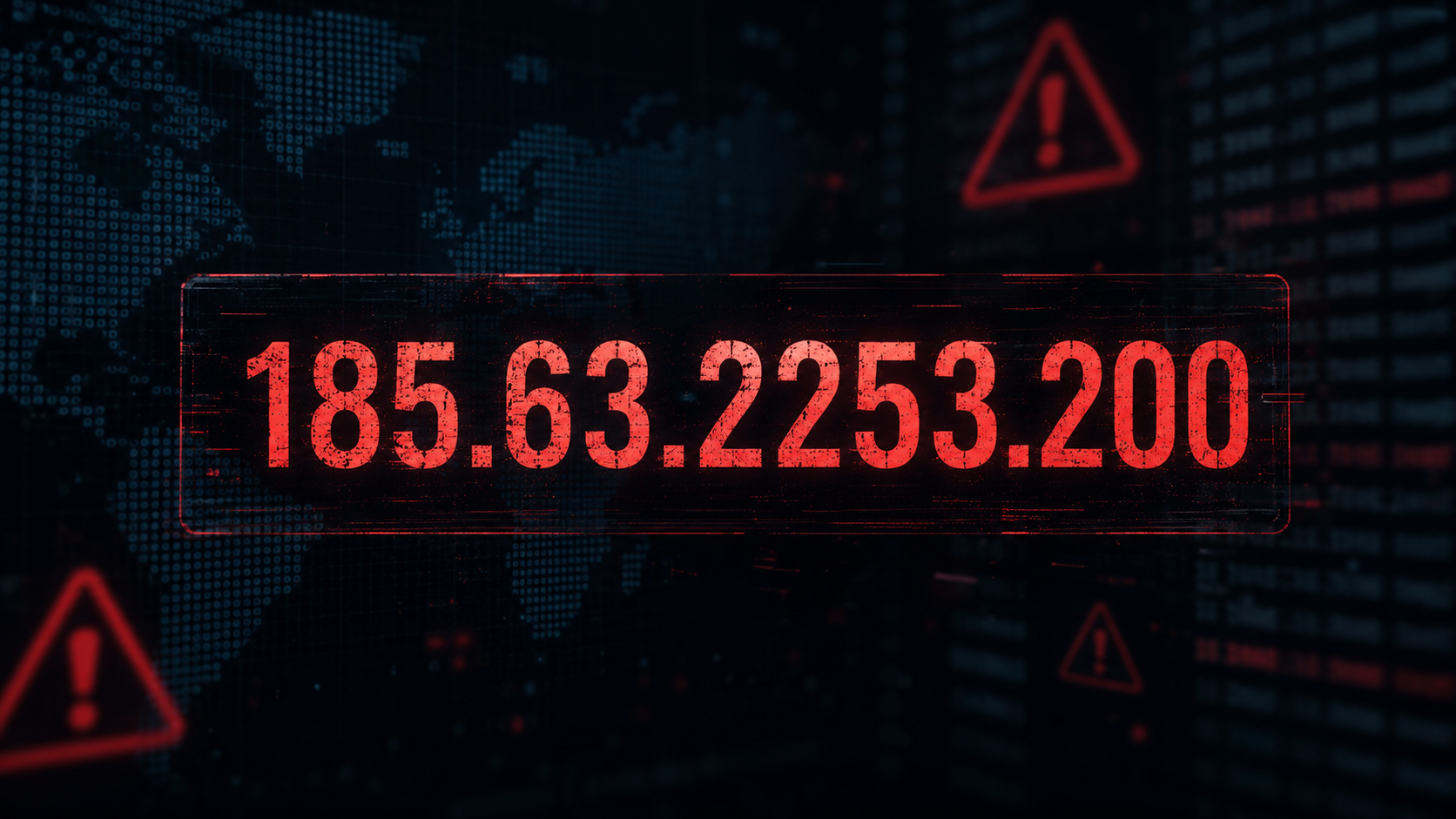
But an IP address like 185.63.2253.200 isn’t random at all. It’s a coordinate. A rough one, but still a marker that tells a story about where traffic comes from and how it moves.
Let’s break it down without the fluff.
What an IP address actually is
An IP address is just a label. Think of it like a return address on a package.
When your device sends a request, say loading a website, it includes this label so the response knows where to go back. Without it, the internet collapses into silence.
Most of what you see online depends on these addresses quietly doing their job.
There are two main formats: IPv4 and IPv6. The one we’re looking at is IPv4, the older format, made of 4 numbers separated by dots.
Each number should fall between 0 and 255. That detail matters. It’s not decorative.
A quick reality check on 185.63.2253.200
Look closely at the third segment: 2253.
That number is too high.
IPv4 rules are strict. Each segment can’t go above 255. So 2253 breaks the format. That means one of two things:
- It’s a typo
- It’s intentionally malformed
Either way, 185.63.2253.200 is not a valid IPv4 address.
And that alone tells you something important. When you see an invalid IP floating around, it often shows up in spam logs, fake headers, or sloppy data scraping.
Why invalid IPs show up at all
People assume everything on the internet is clean and structured. It isn’t.
Invalid IPs appear in a few common places:
Bad data entry
Someone types fast, adds an extra digit, and suddenly you get 2253 instead of 253.
That’s the boring explanation. And it happens more often than you’d think.
Obfuscation attempts
Sometimes people deliberately mess with IPs to hide patterns. You’ll see exaggerated numbers or broken formats used in logs shared publicly.
It’s a crude way to mask the original address.
Automated junk traffic
Bots generate noise. Not all of it is well-formed.
Some scripts don’t validate what they output. So you end up with impossible IPs scattered across datasets.
What you can usually learn from a real IP
Let’s assume we had a valid address close to this one, say 185.63.253.200. Now things get interesting.
An IP can hint at:
Approximate location
You won’t get a street address. But you can usually narrow it down to a country, sometimes a city.
That data comes from allocation records, not GPS.
Internet service provider
Every IP block belongs to an organization. That might be a telecom company, a hosting provider, or a cloud service.
Knowing the ISP can tell you if traffic comes from a home user or a server farm.
Usage type
Some IPs belong to residential networks. Others sit inside data centers.
That difference matters. A login attempt from a residential IP feels different than one from a server rack.
Activity patterns
On its own, an IP is just a number.
But over time, patterns form. Repeated requests, login attempts, scraping behavior. That’s where analysis gets useful.
What you can’t learn from an IP
People overestimate what an IP reveals.
Here’s what you won’t get:
A person’s identity
You can’t look at an IP and say “this is John sitting in his room.”
At best, you identify the network they used. The rest requires logs from the ISP, and those aren’t public.
Exact location
No house numbers. No live tracking.
Even city-level accuracy can be off, especially with mobile networks or VPNs.
Intent
An IP hitting your server 100 times might be a bot. Or a broken app retrying requests.
Context matters more than the number itself.
Where addresses like this show up
Even invalid ones like 185.63.2253.200 have a life.
You’ll see them in:
Server logs
Web servers record incoming requests. Every hit carries an IP.
If your logs include malformed entries, something upstream is messy.
Email headers
Spam emails often include fake or distorted IPs.
They try to look real enough to pass a quick glance.
Security reports
Analysts share indicators of suspicious activity. Sometimes they tweak IPs before publishing them.
It avoids pointing directly at a live system.
How to handle a suspicious IP
Let’s say you encounter something like this in your logs.
Don’t panic. Do a quick sanity check first.
Validate the format
If it breaks IPv4 rules, you can discard it as noise.
No need to run deep analysis on something that can’t exist.
Check frequency
One odd entry is nothing.
Hundreds of similar malformed entries might point to a broken script hitting your system.
Look for patterns
Do the invalid IPs follow a structure? Same prefix, same weird segment?
Patterns usually tell you more than individual entries.
Compare with valid traffic
If you also see valid IPs from the same range (like 185.63.x.x), then you might be dealing with partial corruption of real data.
That’s worth a closer look.
The bigger picture
IP addresses are the plumbing of the internet.
You don’t notice them when things work. You only start paying attention when something looks off.
An address like 185.63.2253.200 stands out because it breaks the rules. And broken things are useful. They force you to look closer at your data, your systems, your assumptions.
Most of the time, it’s just noise.
Sometimes, it’s the first clue that something upstream isn’t behaving the way it should.
That’s the real value here. Not the number itself, but what it pushes you to check next.