
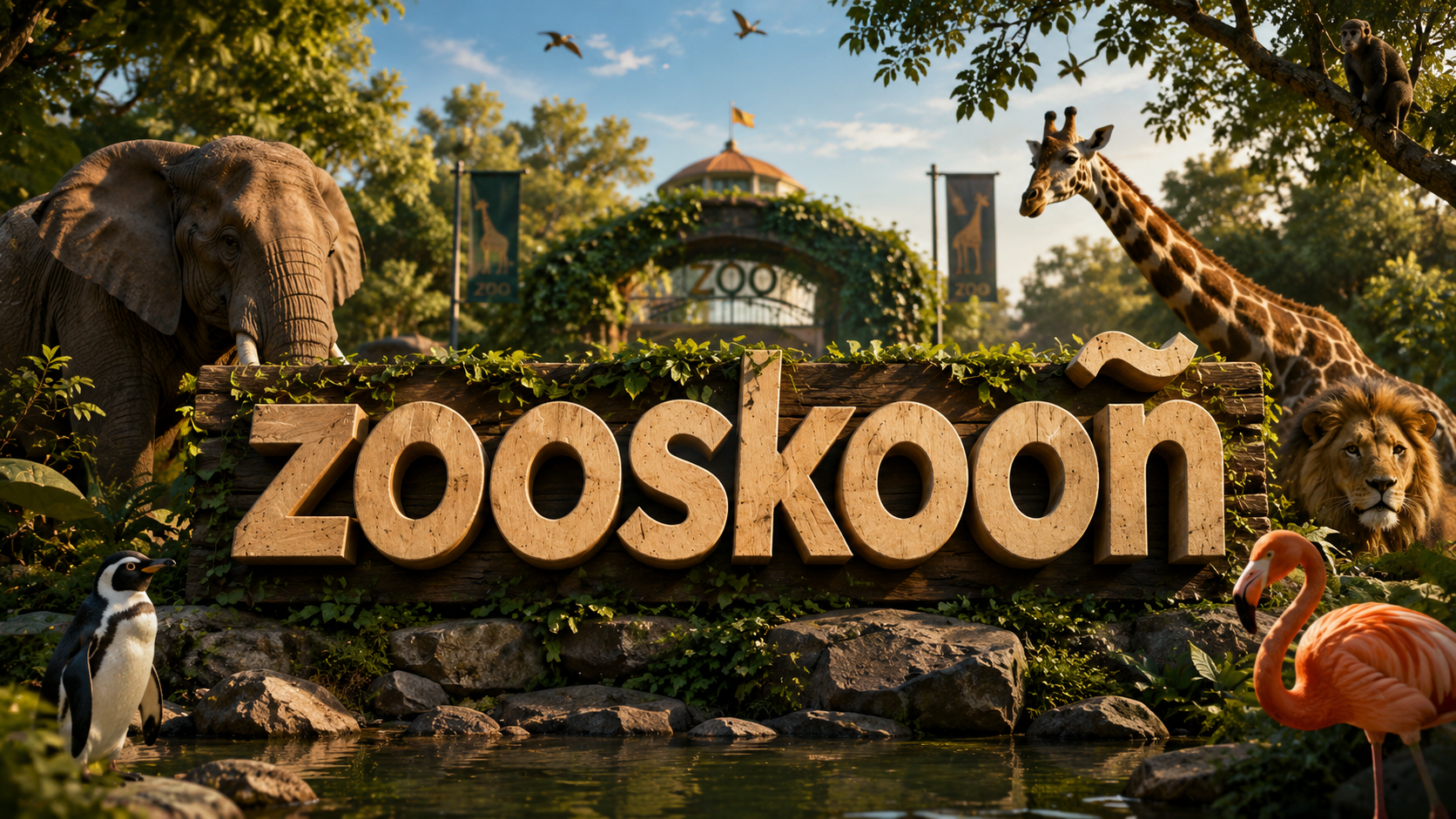
The internet has a habit of turning random words into something bigger. One day a term means nothing, then suddenly it’s floating around forums, usernames, memes, and search bars. That’s where zooskooñ sits right now.
It looks unusual. The “ñ” at the end throws people off. You read it once and your brain pauses for a second. Then you read it again because it sounds weirdly memorable. That alone gives it power online.
A lot of digital trends start this way. Nobody plans them. They spread because they feel different from the endless pile of recycled names and fake corporate branding. Zooskooñ doesn’t sound polished. That’s probably why people remember it.
The Internet Loves Strange Words
Look at the history of online culture for 5 minutes and you’ll notice a pattern. The web rewards oddity.
Google. Reddit. Tumblr. Skype. Zillow. None of those names sounded normal when people first heard them. Some even sounded ridiculous. Now they feel completely natural because repetition changes everything.
Zooskooñ has that same energy.
It’s short enough to remember, but strange enough to stand apart from the flood of usernames and startup titles that all blur together. Most names online sound like they were created in a branding meeting with too much coffee and not enough sleep. Zooskooñ feels accidental. Human. Maybe even a little chaotic.
And chaos works online.
Especially now, when attention spans are shredded and people scroll through content at frightening speed. A strange word can stop somebody for half a second. Half a second matters more than people think.
Why Zooskooñ Feels Different
Most internet terms are easy to predict. They follow patterns people already know.
Zooskooñ doesn’t.
The double “o” gives it a playful sound. The “sk” in the middle makes it sharper. Then the “ñ” changes the rhythm completely. It almost feels unfinished when you say it out loud.
That’s part of the appeal.
People remember things that interrupt expectations. It’s the same reason weird album covers stick in your head longer than clean corporate designs. Your brain notices the mismatch.
And honestly, the internet is exhausted by clean corporate design.
Everything now feels optimized to death. Social feeds are packed with polished thumbnails, algorithm bait titles, and captions written like they came from the same marketing robot. A word like zooskooñ cuts through that because it feels slightly unpredictable.
Not polished. Not sanitized. Just odd enough.
Zooskooñ and Digital Identity
Usernames matter more than people admit.
People spend hours trying to find one that isn’t taken. Then they end up adding random numbers like “473” or replacing letters with underscores until the whole thing looks like a broken WiFi password.
That’s why unusual words gain traction.
Zooskooñ sounds like the kind of username that could become recognizable across platforms. TikTok creators, gamers, artists, streamers, and indie musicians all chase names that people remember after seeing them once.
And repetition changes perception fast.
A strange name seen 50 times stops feeling strange. It starts feeling familiar. Then eventually it feels established.
That’s basically how internet culture works.
The Power of Nonsense Online
Some of the biggest online trends started as complete nonsense.
Memes often make no logical sense at all. They spread because they trigger emotion, confusion, curiosity, or humor. Sometimes all 4 at once.
Zooskooñ has that same flexible quality.
It could be a gaming clan. A music project. A clothing label. A Discord community. A digital art page. The word doesn’t trap itself into one meaning, which makes it surprisingly adaptable.
That flexibility matters.
When a name can move between different communities without feeling out of place, it survives longer online. Words that are too specific usually fade fast.
Zooskooñ feels open-ended. People can project their own meaning onto it.
That’s powerful branding, even if nobody intended it to be branding.
Why People Search Weird Terms
Curiosity drives internet traffic more than logic.
A person sees a strange word once and ignores it. Then they see it again somewhere else. Suddenly they’re typing it into a search bar at 1:12 a.m. because now they need to know what it means.
That’s probably how a lot of people will discover zooskooñ.
Search behavior online is emotional. People don’t only search for practical information. They search because something bugs them, fascinates them, or sticks in their memory longer than expected.
A weird word can do that surprisingly well.
Especially one that visually stands out.
That “ñ” at the end changes everything. Without it, the word feels flatter. With it, the word suddenly feels international, mysterious, maybe even artistic. Tiny details shape perception online more than people realize.
Could Zooskooñ Become a Brand?
Honestly, yes.
Not because it sounds corporate. Quite the opposite.
Modern branding shifted hard over the last decade. Companies used to chase names that explained exactly what they did. Now they chase names people can own emotionally.
Nike doesn’t explain shoes.
Spotify doesn’t explain music.
Kodak meant absolutely nothing before the company existed.
Zooskooñ fits the modern internet style better than most artificially generated startup names because it already feels alive. It has texture. It feels like something a real person invented at 2 a.m. while half distracted and slightly sleep deprived.
That authenticity matters.
People are getting better at spotting manufactured trends. They know when something was engineered by committee. Weird internet language survives because it feels accidental.
The Sound of Zooskooñ
Say it out loud and it changes depending on your accent.
That’s another reason it sticks.
Some people will say “Zoo-skoon.” Others will stretch the ending differently. The uncertainty makes people interact with the word longer. They think about pronunciation instead of instantly forgetting it.
Language works like that.
Words become memorable when they create friction. Not annoying friction, just enough to interrupt autopilot thinking.
Zooskooñ creates that interruption naturally.
And online attention is basically built on interruption now.
Internet Culture Moves Fast, But Memory Is Weird
Most trends disappear in days. Some disappear in hours.
But occasionally a random phrase survives because enough people keep repeating it. Not in a coordinated way. Just organically.
That’s how digital folklore starts.
A strange username becomes a meme. A meme becomes a reference. A reference becomes part of online language. Then years later nobody remembers where it came from.
I think zooskooñ has the kind of shape that could survive that process.
Not because it’s trying too hard. Because it isn’t trying at all.
That’s usually the difference.
Final Thoughts on Zooskooñ
Zooskooñ feels like the kind of word the internet accidentally adopts over time.
It’s weird, slightly confusing, visually distinctive, and oddly fun to say. That combination matters more than perfect grammar or polished branding. Online culture rewards things people remember, and people remember things that feel different.
Most digital names vanish because they sound interchangeable. Zooskooñ doesn’t have that problem.
Maybe it becomes a niche online identity. Maybe it turns into a meme. Maybe somebody builds a brand around it next year. Or maybe it simply remains one of those strange internet words that floats around quietly while people keep wondering where it came from.
Either way, it sticks in your head longer than expected. And on the internet, that’s half the battle already.