

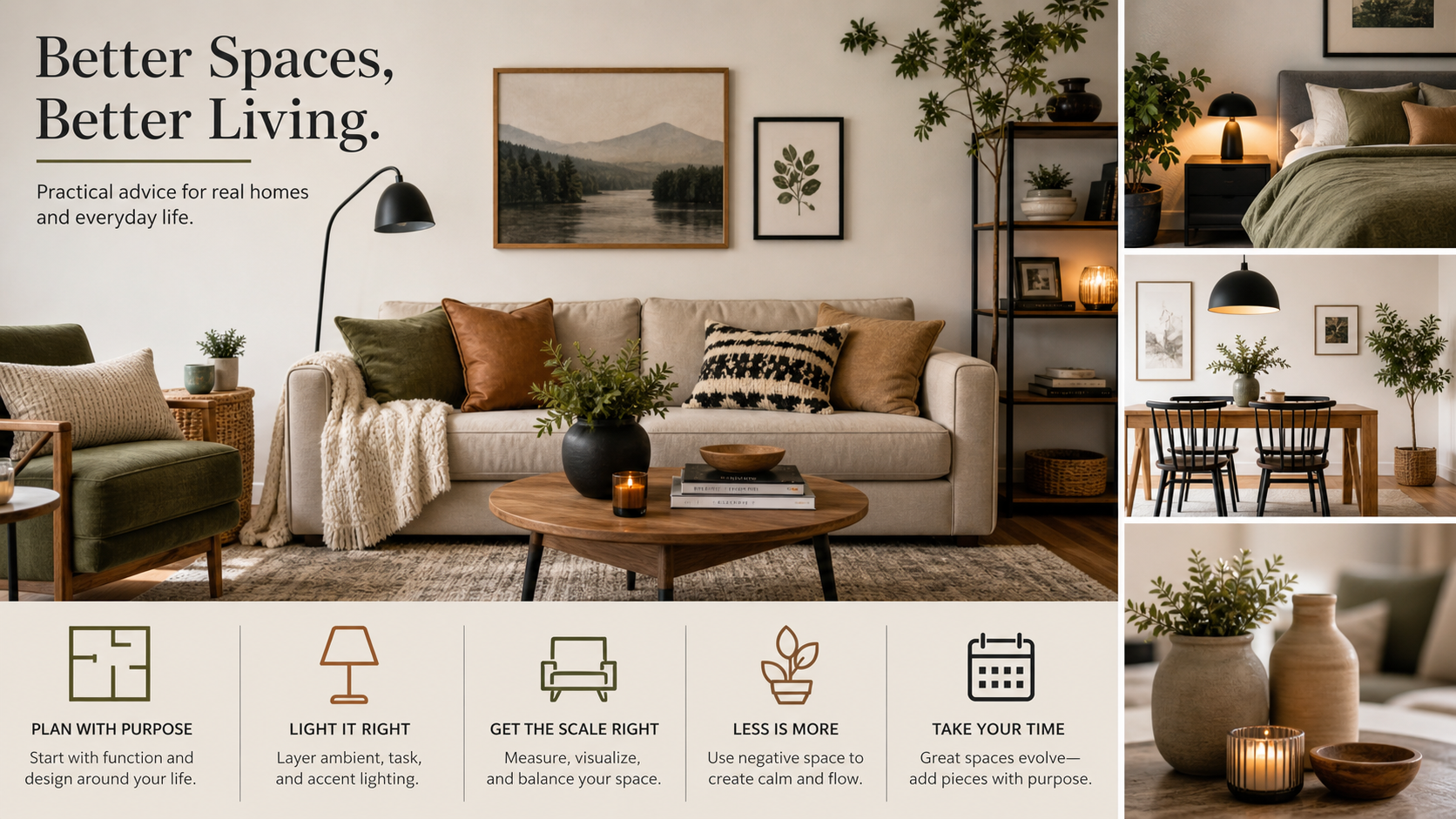
If you’ve ever tried to refresh your living space—whether it’s a small corner or an entire home—you’ve probably realized something quickly: decorating is harder than it looks. That’s where platforms like decoratoradvice com come in. But the real question is, does it genuinely help, or is it just another generic design site repeating the same ideas?
Let’s break it down in a practical, honest way so you can decide whether it’s worth your time.
What Is decoratoradvice com?
At its core, decoratoradvice com is a home decor and interior design resource. It focuses on giving ideas, tips, and guidance for improving your space—whether you’re working with a tight budget or aiming for a more polished, high-end look.
Unlike some flashy design blogs that focus only on aesthetics, this platform leans more toward practical advice. You’ll find content on:
- Room-specific decorating ideas
- Furniture placement tips
- Color combinations
- Budget-friendly upgrades
- Seasonal decor inspiration
The tone is generally accessible, which makes it appealing to beginners. But there’s more to it than just surface-level ideas.
What Makes decoratoradvice com Useful?
1. It Focuses on Real-Life Spaces (Not Just Pinterest Dreams)
One thing that stands out is that the advice often reflects real-world limitations—small rooms, awkward layouts, limited budgets. That’s important because most people aren’t decorating magazine-perfect homes.
For example, instead of just saying “add a statement piece,” the advice often explains:
- Where to place it
- What size works best
- How to balance it with existing furniture
That level of detail makes a big difference
2. It Encourages Layering, Not Overdecorating
A common mistake beginners make is trying to fill every empty space. decoratoradvice com tends to promote a more balanced approach—what designers call layering.
That means:
- Mixing textures (wood, fabric, metal)
- Using lighting intentionally (not just overhead lights)
- Adding decor gradually instead of all at once
This approach leads to spaces that feel lived-in rather than staged.
3. It’s Beginner-Friendly Without Being Too Basic
A lot of design websites either overwhelm you with technical jargon or oversimplify everything. This one sits somewhere in the middle.
You might see advice like:
- Why warm vs. cool lighting changes how colors look
- How rug size affects the perception of room size
- Why symmetry works in some spaces but not others
These are small details, but they’re the kind that actually improve your results.
Practical Insights You Can Actually Use
Start With Function, Not Style
One of the most useful takeaways from decoratoradvice com is the emphasis on function first.
Before choosing colors or decor, ask:
- How do you use the room daily?
- Where do you naturally walk or sit?
- What feels inconvenient right now?
Design should solve problems—not just look good.
Lighting Is More Important Than You Thin
Many people underestimate lighting. The site often highlights layering three types:
- Ambient (general lighting)
- Task (focused lighting like desk lamps)
- Accent (decorative lighting)
If your room feels “off,” it’s often not the furniture—it’s the lighting setup.
Don’t Rush the Process
Another subtle but valuable idea: good spaces evolve over time.
Instead of buying everything in one go:
- Live in the space for a while
- Notice what’s missing
- Add pieces gradually
This prevents costly mistakes and creates a more natural look.
Common Mistakes People Make (and How decoratoradvice com Helps Avoid Them
1. Buying Furniture That’s Too Big or Too Small
Scale is one of the hardest things to get right. Many guides on the site stress measuring properly and visualizing layout before buying anything.
Quick tip: Tape the dimensions on your floor before purchasing—it’s simple but effective.
2. Ignoring Negative Space
Not every area needs to be filled. Empty space helps your room “breathe.”
The site often reinforces that:
- A crowded room feels smaller
- Strategic emptiness improves focus and flow
3. Following Trends Too Closely
Trends change fast. What looks modern today might feel outdated in a year.
A more grounded approach recommended on decoratoradvice com:
- Invest in timeless base pieces
- Use trends in smaller, replaceable items (like cushions or decor)
Honest Pros and Cons
Pros
- Practical, usable advice (not just visual inspiration)
- Beginner-friendly but still insightful
- Covers a wide range of spaces and budgets
- Encourages thoughtful, long-term design
Cons
- Some ideas can feel repetitive if you read multiple articles
- Not always deeply technical (advanced designers may want more detail)
- Lacks personalized guidance—you still have to adapt advice yourself
How It Compares to Other Design Resources
Compared to visual-heavy platforms (like inspiration boards or social media), decoratoradvice com is more about how to think, not just what to copy.
- Inspiration platforms = great for ideas
- decoratoradvice com = better for execution
That difference matters if you’ve ever tried to recreate a design and failed because you didn’t understand the “why” behind it.
Is decoratoradvice com Worth Your Time?
If you’re looking for:
- Clear, practical decorating advice
- Help with real-life spaces
- Guidance without overwhelming jargon
Then yes—it’s worth exploring.
However, if you expect:
- Highly customized design plans
- Advanced architectural concepts
- Deep technical breakdowns
You might find it a bit limited.
Final Thoughts
https://www.wikipedia.org/Decorating a home isn’t just about making things look nice—it’s about creating a space that feels right for how you live. That’s where decoratoradvice com quietly does a good job.
It doesn’t try to impress you with overly polished perfection. Instead, it gives you tools to make better decisions—step by step.
And honestly, that’s what most people need.
If you approach it with realistic expectations and apply the ideas thoughtfully, you’ll likely see real improvements in your space—not just in how it looks, but in how it feels to live in.