

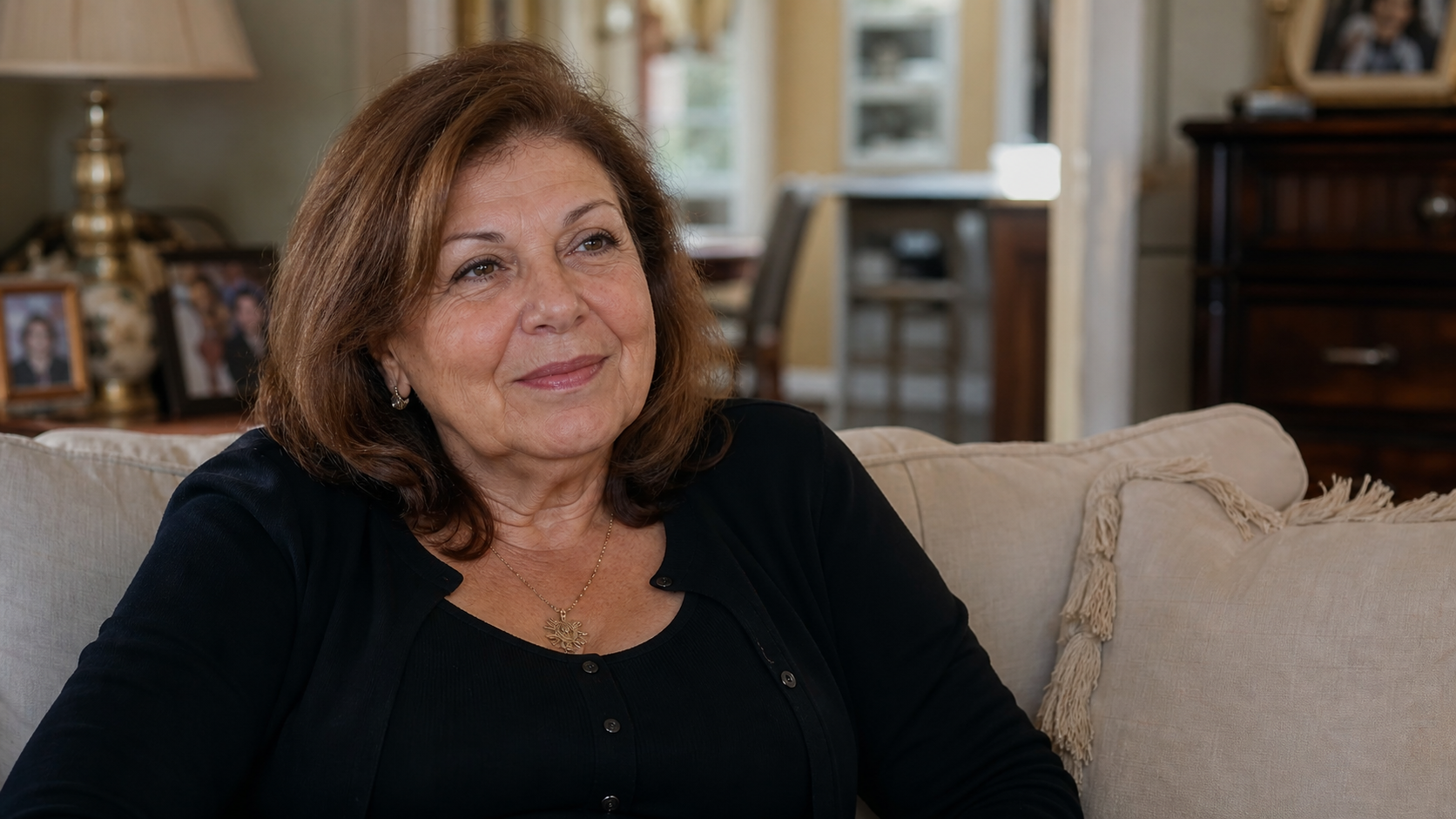
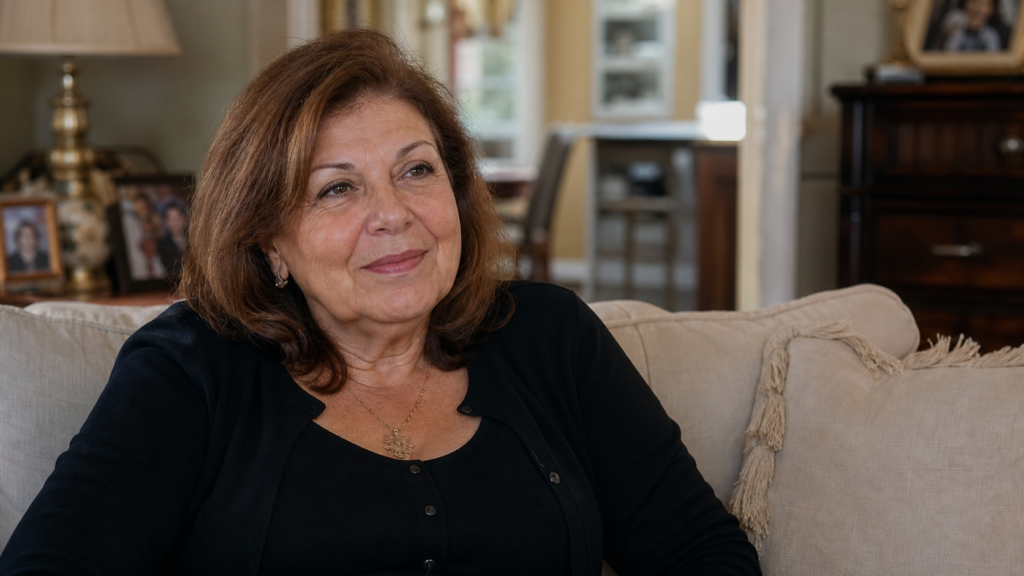
Delores Nowzaradan is one of those names that quietly appears in conversations about reality TV, yet her actual life story is far more grounded than the internet makes it seem. Most people come across her name because of her long marriage to surgeon Younan Nowzaradan, widely known as “Dr. Now” from the TLC series My 600-lb Life. But focusing only on that connection misses the fuller picture of who she is and what her life represents.
This article takes a deeper, more human look at delores nowzaradan, not as a background figure in someone else’s story, but as a person whose choices, sacrifices, and privacy offer real lessons about family life and identity.
Who is Delores Nowzaradan?
At the most basic level, Delores Nowzaradan is the former wife of Dr. Younan Nowzaradan. They were married for decades before eventually divorcing in the early 2000s. During that time, she raised three children and managed much of the household while her husband built a demanding surgical career.
But reducing her to just “a celebrity ex-wife” is misleading. The reality is that Delores represents a type of life many people can relate to: long-term partnership, invisible labor, and the quiet decision to step out of the public eye when life changes.
When people search for delores nowzaradan, what they often want isn’t just biographical facts. They’re trying to understand how someone lives through a long marriage connected to fame, and what happens afterward.
Life During the Marriage: The Invisible Backbone
Marriage to a highly demanding professional like Dr. Now is not the kind of life that shows up in headlines. Surgical careers—especially bariatric surgery, which became central to his work—require long hours, emotional intensity, and years of focus.
In that environment, Delores played a stabilizing role at home. While he was building his medical reputation, she handled the daily structure of family life: raising children, maintaining routines, and providing emotional continuity.
Practical reality most people overlook
One thing often missed in public discussions about families like this is how uneven time becomes:
- One partner lives in high-pressure environments (hospital, patients, emergencies)
- The other manages the “invisible logistics” of life (school, meals, emotional support, home stability)
This imbalance doesn’t always feel dramatic at first. In fact, it can look functional for years. But over time, it creates emotional distance that is hard to repair.
That’s an important insight when understanding delores nowzaradan—her role wasn’t passive. It was structural. Without that foundation, the rest of the family system would likely not have functioned the way it did.
Parenting and Family Life
Delores and Younan had three children together. One of the more interesting details in their family story is how differently each child connected to public life.
- One child later became involved in television production, even working on My 600-lb Life
- Another pursued creative and educational interests
- Another leaned toward artistic fields
What stands out here isn’t celebrity, but diversity. The household wasn’t defined by one identity. Instead, it produced multiple paths—something that usually happens when at least one parent maintains emotional stability at home.
A quiet but important observation
In many families where one parent is deeply career-driven, children often develop either strong independence or strong emotional sensitivity. Delores’s presence likely helped balance that dynamic by providing consistency in an otherwise demanding environment.
The Divorce: A Turning Point in the Story of Delores Nowzaradan
After nearly three decades of marriage, Delores filed for divorce in the early 2000s. While public records and reports vary in detail, the general picture is that the separation was influenced by long-term emotional strain and growing distance in the relationship.
Divorce in long marriages like this is rarely about a single moment. It’s usually the result of years of accumulated imbalance.
Common misunderstanding
A frequent mistake people make when reading about delores nowzaradan is assuming the divorce was sudden or dramatic in a television sense. In reality, most long-term separations are quiet decisions made after prolonged reflection, not explosive events.
Another misconception is viewing financial settlement as the “story ending.” Legal outcomes matter, but they don’t explain the emotional shift that comes with redefining your identity after decades in one role.
Life After Divorce: Choosing Privacy Over Visibility
One of the most defining aspects of Delores’s later life is her decision to remain private. She did not turn her past marriage into media attention or public commentary. Instead, she stepped away from visibility entirely.
This is more significant than it might seem.
In today’s world, many people connected to public figures use that connection as a platform. Delores chose the opposite path.
Honest pros and cons of that choice
Pros:
- Emotional distance from public judgment
- Ability to rebuild identity privately
- Stability for family relationships
Cons:
- Limited public narrative control (others tell her story for her)
- Misunderstandings spread easily online
- Her contributions are often underrecognized
This balance is important when evaluating delores nowzaradan—privacy protects peace, but it also reduces visibility in how history remembers someone.
What People Get Wrong About Her Story
There are a few recurring misunderstandings online:
- She is often defined only by her ex-husband’s fame
This flattens her identity into someone else’s biography. - Her role is sometimes dismissed as “just being a homemaker”
In reality, managing a household during a high-pressure medical career is complex emotional labor. - The divorce is treated like a headline event instead of a long process
This ignores the gradual nature of most long-term relationship breakdowns.
Correcting these assumptions helps build a more realistic picture of her life.
What Her Story Teaches Us
The life of delores nowzaradan isn’t about fame—it’s about structure, endurance, and transition.
A few grounded lessons stand out:
- Support roles are not secondary roles. They often determine whether high-pressure careers can function at all.
- Long marriages require continuous emotional maintenance, not just shared history.
- Choosing privacy can be a form of control, not withdrawal.
There’s also a quieter lesson: not every meaningful life needs public recognition to be valid.
Final Reflection
Delores Nowzaradan’s story sits in a space that is often overlooked—between public fame and private life. She is not a celebrity in her own right, but she is also not invisible. Her years of family stability, parenting, and eventual reinvention after divorce form a narrative that many people quietly recognize in their own lives.
When people search for delores nowzaradan, they’re often looking for clarity about someone connected to television fame. What they find, when the story is told properly, is something more relatable: a long partnership, real-life strain, and the decision to step into a quieter, self-defined life afterward.
And in that sense, her story is less about being in someone’s shadow—and more about choosing where the light should fall next.