

Introduction
The internet is filled with shortened URLs that make long web addresses easier to share. One example is adsy.pw/hb3, a compact link format designed to redirect users to another online destination. While these types of links are common in digital marketing, advertising campaigns, and online tracking, they can sometimes create uncertainty because the final webpage is hidden.
Understanding adsy.pw/hb3 explained means looking at how redirect links function, why they are created, what benefits they offer, and what risks users should consider before opening them. A shortened link is not automatically harmful, but users should always understand where a link leads before sharing personal details or downloading anything.
Redirect links are widely used across the digital world. Businesses use them to manage campaigns, measure visitor activity, and create cleaner URLs for promotional purposes. At the same time, criminals can also misuse shortened links to hide unsafe websites. Knowing how these links work helps users browse the internet more confidently.
What Is adsy.pw/hb3 Explained?
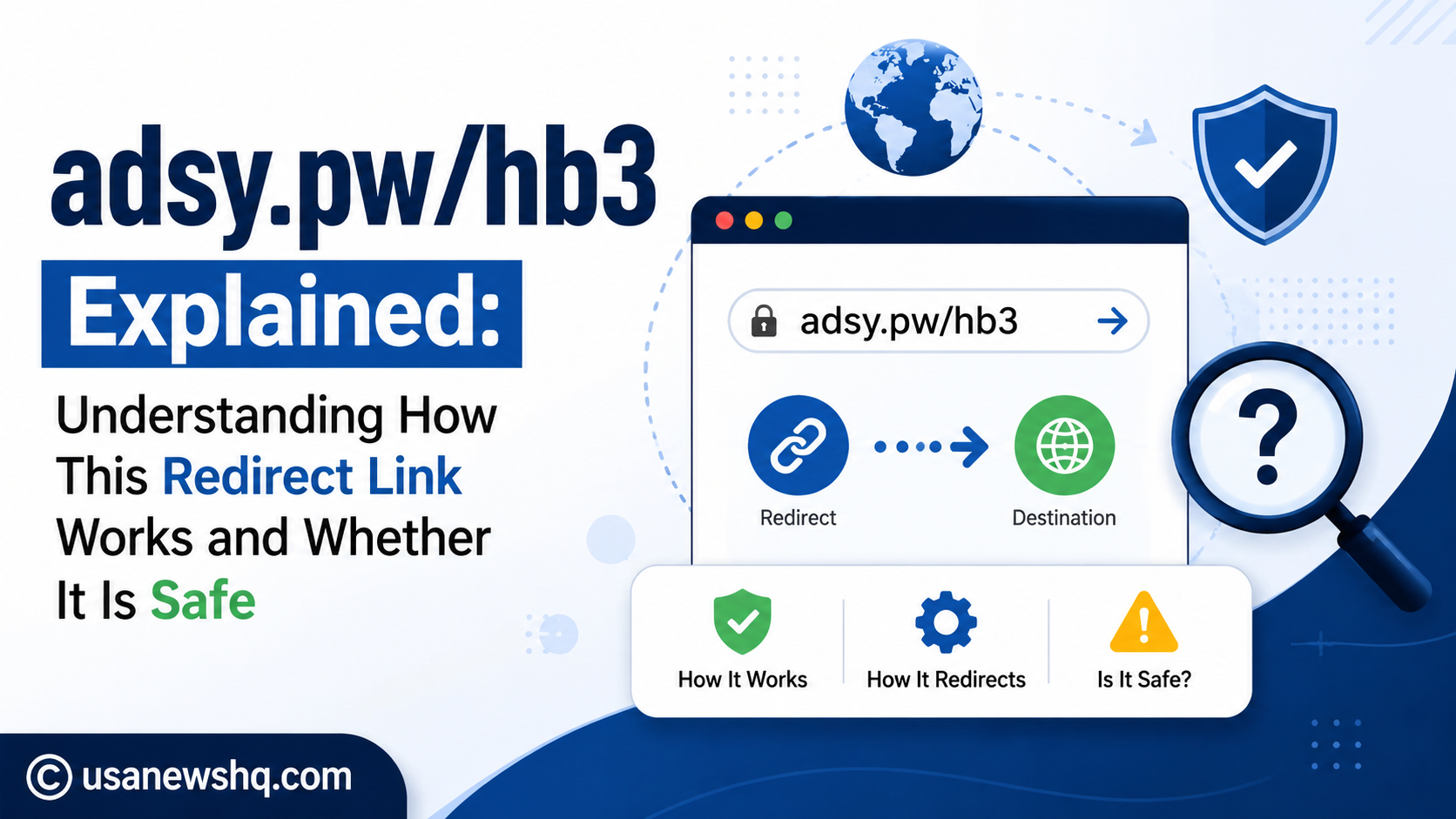
The term adsy.pw/hb3 explained refers to understanding the purpose and function of this shortened URL. A link such as adsy.pw/hb3 is not the final website address. Instead, it acts as a gateway that sends visitors from the short URL to another webpage.
Short URLs are created by redirect systems. These systems store information about the destination page and connect it with a shorter web address. When a user clicks the link, the redirect service processes the request and automatically forwards the visitor.
This approach is useful because many online addresses are long and difficult to share. A shortened version is easier to place in social media posts, emails, advertisements, and messages.
However, the shortened format also hides the destination. This is why users should pay attention to the source of the link and avoid opening unknown redirects without checking their reliability.
How Redirect Links Work
A redirect link works through a simple connection between a short address and a longer destination URL. The short link contains a unique code that identifies the webpage connected to it.
When someone opens a redirect link, the system checks the stored information and sends the visitor to the connected page. This process usually happens very quickly, often without the user noticing the technical steps involved.
Companies often use this technology because it provides useful information about online campaigns. For example, marketers can understand how many people clicked a promotional link and which campaigns generated the most interest.
The technology behind redirect links is not new. Many well-known platforms use similar systems for tracking, sharing, and managing online content. The important factor is not the existence of a redirect but the trustworthiness of the destination behind it.
Why Shortened URLs Are Used
Shortened URLs have become an important part of digital communication because they solve practical problems.
A long website address can contain multiple tracking codes, product information, or complicated page structures. Sharing such URLs can look unprofessional and may create confusion for users. A shorter link provides a cleaner appearance.
Marketing teams often use redirect links to measure campaign performance. They can analyze traffic patterns and understand whether their advertising efforts are reaching the intended audience.
Short links are also useful for mobile users. Since people often access websites through smartphones, shorter addresses are easier to copy, share, and remember.
Another advantage is flexibility. If a company changes the destination page later, the redirect can sometimes be updated without changing the published short link. This helps businesses manage long-term campaigns more efficiently.
Is adsy.pw/hb3 Safe?
The safety of adsy.pw/hb3 explained depends on where the link redirects and who created it. A shortened URL by itself does not indicate whether a website is safe or unsafe.
Many legitimate businesses use shortened links for advertising and tracking purposes. A link shared by a trusted company, website, or known contact may simply be a marketing tool.
The risk appears when users click links from unknown sources. A shortened URL can hide a destination that contains misleading content, phishing attempts, or unwanted downloads.
Users should be careful if a link:
- Arrives unexpectedly from an unknown sender
- Requests login details or financial information
- Promises unrealistic rewards
- Forces immediate action through fear or urgency
A safe browsing habit is to verify the source before opening unfamiliar links. If the sender or website is not trustworthy, it is better to avoid interacting with the link.
How to Check a Shortened Link Before Opening It
Checking a shortened URL before visiting the destination is a good security practice. Several methods can help users understand whether a link appears trustworthy.
One simple method is examining the source. A link from a recognized business, professional platform, or trusted contact is usually less suspicious than a random message.
Users can also use online security scanners that analyze URLs for possible threats. These tools compare links against known security databases and provide warnings when problems are detected.
Another useful practice is avoiding websites that immediately request sensitive information after opening a redirect. Reliable websites normally explain their purpose clearly and provide secure ways to interact.
Keeping browsers, operating systems, and security software updated also reduces risks when browsing unfamiliar websites.
The Role of Redirect Links in Digital Marketing
Digital marketing depends heavily on measuring user activity, and redirect links help businesses understand how audiences interact with online campaigns.
A company running advertisements may create different links for different platforms. This allows marketers to see which channels bring visitors and which campaigns perform better.
Redirect links can also improve organization. Instead of publishing complicated URLs everywhere, businesses can maintain cleaner links that are easier for customers to recognize.
However, responsible marketing requires transparency. Users should not be misled about where a link will take them. Trust plays an important role in online relationships, and unclear redirects can damage credibility.
SEO Considerations for Redirect URLs
Redirect links have an indirect relationship with search engine optimization. Search engines focus mainly on website quality, useful content, technical performance, and user experience.
A shortened URL does not automatically improve search rankings. SEO success depends on the value of the destination page and how well it satisfies user needs.
Website owners should make sure redirects are properly configured and avoid unnecessary chains of multiple redirects. Too many redirects can create technical issues and may affect website performance.
The strongest SEO strategy remains creating helpful content, building authority, and providing visitors with a positive experience.
Advantages and Disadvantages of Short Links
Shortened URLs offer convenience, but they also come with limitations.
The main advantage is simplicity. Short links are easier to share, especially on platforms where space is limited. They also help businesses track marketing results and organize online campaigns.
The main disadvantage is reduced visibility. Users cannot immediately see the final destination, which creates uncertainty. This lack of transparency makes it important to verify unfamiliar links.
Another concern is that short links can remain active for a long time. If the destination changes, users may be redirected somewhere different from what they originally expected.
For this reason, both creators and users should treat shortened URLs responsibly.
Best Practices for Using Redirect Links
People who create short links should ensure that their redirects lead to useful and trustworthy content. Clear communication and ethical marketing practices help build confidence among users.
People who receive shortened links should avoid clicking impulsively. Taking a few seconds to check the source can prevent many online security problems.
A good online habit is to treat unknown links carefully while recognizing that legitimate businesses also rely on redirect technology. The goal is not to avoid all short links but to use them with awareness.
Frequently Asked Questions About adsy.pw/hb3
What is adsy.pw/hb3?
adsy.pw/hb3 is a shortened redirect link that connects users to another webpage. The short format hides the original destination address.
Is adsy.pw/hb3 dangerous?
The link itself does not automatically mean danger. Safety depends on the final destination and the source that shared the link.
Why do websites use shortened URLs?
Websites use shortened URLs because they are easier to share, manage, and track during marketing campaigns.
How can I check a shortened link safely?
You can check the sender, use security scanning tools, and avoid entering personal information on unfamiliar websites.
Should I open unknown redirect links?
Unknown redirect links should be approached carefully. If the source is not trustworthy, avoiding the link is the safest option.
Conclusion
Understanding adsy.pw/hb3 explained helps users recognize how modern redirect links operate and why they are commonly used online. These links provide convenience for businesses and users, especially in marketing, sharing, and tracking activities.
At the same time, hidden destinations require caution. A shortened URL can be useful when created by a reliable source, but users should always verify unfamiliar links before interacting with them.
Safe internet use depends on awareness. By checking sources, protecting personal information, and understanding how redirect technology works, users can benefit from online tools while reducing unnecessary risks.